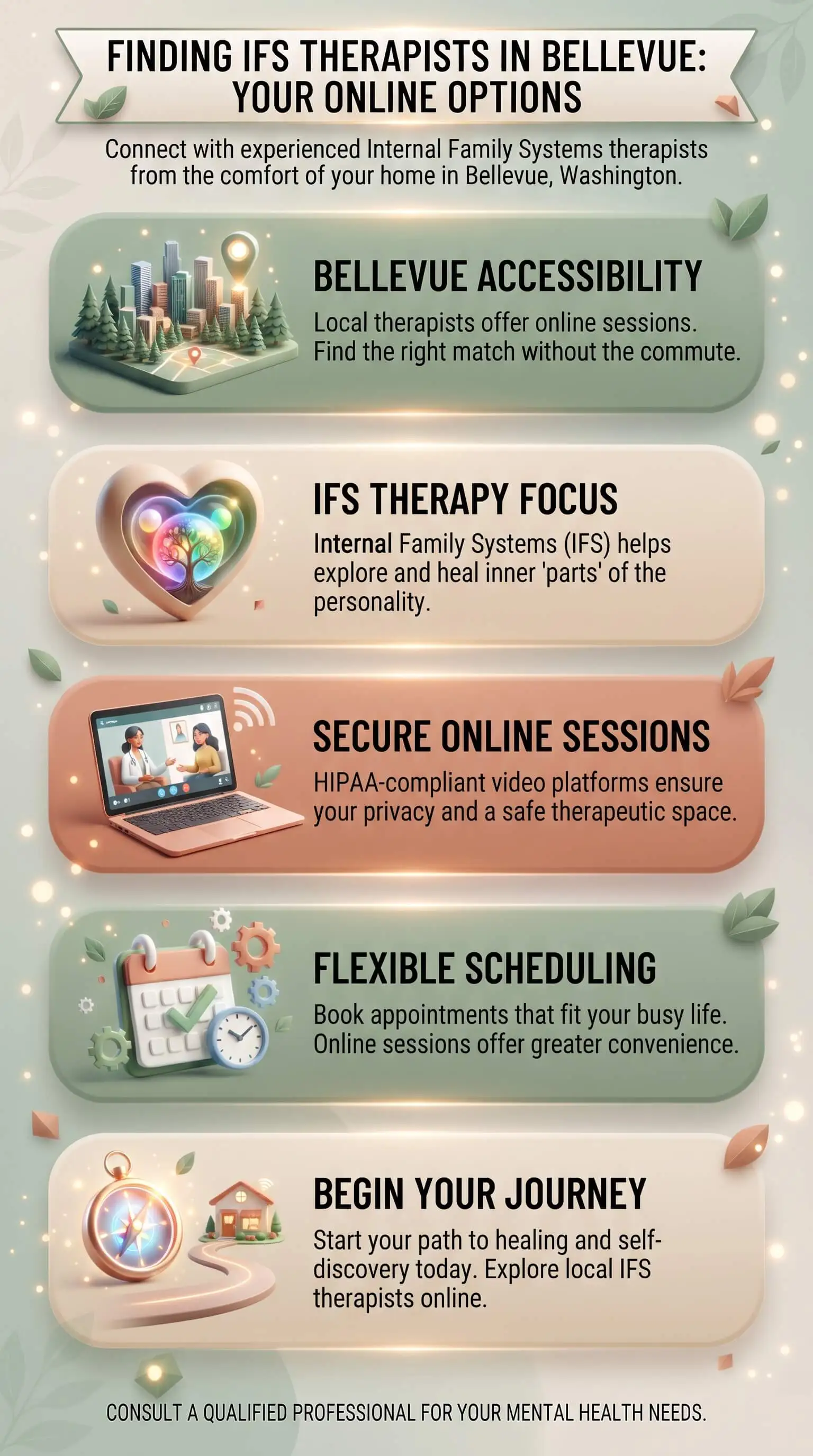
Several Washington-licensed clinicians trained in Internal Family Systems (IFS) work with Bellevue clients entirely by video. What usually matters for online therapy is that your therapist holds a Washington license and that you're in Washington during sessions. So your search for an IFS therapist Bellevue WA residents can work with doesn't have to stop at the few offices on the Eastside.
TL;DR Quick Answers
IFS Therapist Bellevue WA
Lauren Rath, MA, LMHC, offers online IFS therapy to adults in Bellevue and anywhere else in Washington. You don't need a therapist with a Bellevue office. You need one licensed in Washington, plus a quiet room of your own.
Who: Lauren Rath, MA, LMHC, a Licensed Mental Health Counselor and IFS Institute Level 1 trained
Format: 50-minute video sessions, online only
Focus: perfectionism and high-functioning anxiety, trauma and complex trauma, shame and self-doubt, burnout and identity
Insurance: in-network with BCBS, Aetna, Regence, Premera and Cigna
First step: a free 15-minute consultation that commits you to nothing
Fit is felt, not assessed on paper, so the easiest place to start is a short conversation.
Top Takeaways
Bellevue residents can work with IFS-trained therapists entirely online.
A Washington license counts for more than an office address on the Eastside.
Verify the license through the Department of Health, and ask what IFS training the therapist has completed.
Confirm your insurance coverage, or ask for a good faith estimate if you're paying yourself.
Use a free consultation to judge fit by how it feels.
Weekly therapy isn't emergency care. If you're in danger, call or text 988, or call 911.
What IFS Therapy Is, in Plain Terms
Most people know the experience before they know the name. Having IFS therapy explained can help make sense of these conflicting feelings. One part of you wants to rest while another keeps a running list of everything still undone. One part wants to talk about the accident, and another changes the subject every time it comes up.
Dr. Richard Schwartz, who developed Internal Family Systems, calls these parts. The protective ones tend to be loyal and tired, still doing a job they took on a long time ago. IFS doesn't try to get rid of them. You get curious about what they're guarding, from a steadier place inside you that the model calls Self. Over time, they usually ease up on their own.
Can You Do IFS Therapy Online if You Live in Bellevue?
Yes, and IFS tends to hold up well over video. Most of the work happens inside you. You notice a tightness in your chest, ask a part what it's worried about, and wait for an answer. Sitting three feet from your therapist doesn't change much about that.
For Bellevue clients, online sessions also take two things off the table:
the drive on I-405 or Bellevue Way before a hard conversation, and the drive home after one
a waiting room, which matters if you're private or still healing from an injury that makes getting around harder
You'll usually need a quiet room with a door that closes, headphones and a decent connection. That's about it.
Online IFS Therapist Bellevue WA Options Worth Exploring
Search for online IFS around Bellevue and you'll mostly find four kinds of options:
independent IFS-trained clinicians, many of them online only
group practices that list IFS alongside other approaches
the IFS Institute's practitioner directory, for people who've completed its training
general therapy directories with an IFS filter
One practice worth a look is Lauren Rath Therapy. Lauren Rath, MA, LMHC, is a Licensed Mental Health Counselor in Washington and IFS Institute Level 1 trained. She works with adults across the state by video, which makes her a natural first call if you're looking for an IFS therapist in Bellevue, WA. Sessions run 50 minutes. Her focus areas include perfectionism and high-functioning anxiety, trauma and complex trauma, shame and self-doubt, and burnout and identity. She also offers a free 15-minute consultation.
Profiles are good for logistics. You'll learn far more about fit from a short conversation than from any bio.
What to Check Before Booking a Virtual IFS Session
None of this is about distrust. You're about to let someone near the parts of you that work hardest to stay hidden, and a few minutes of checking is a reasonable way to look after them.
A current Washington license. The Department of Health's credential search is free and shows license status and any disciplinary history.
IFS training they can describe. "IFS-informed" on a profile might mean a weekend workshop. Ask what level they've completed and whether they still get consultation.
Who they see. Some IFS therapists work only with adults. Others see couples or teens.
What it will cost. Ask whether they're in-network with your plan. If you're paying yourself, you can request a written good faith estimate.
Session details like length, how often you'd meet and which video platform they use.
Their plan for between sessions. Weekly therapy isn't emergency care, and a good therapist will tell you plainly where to turn if a week gets heavy.
Questions to Ask on a Free Consultation
"How do you use IFS in sessions, and how long have you practiced it?"
"What does the first month usually look like with you?"
"Have you worked with people recovering from a physical injury or medical trauma?"
"What do you do when a session stirs up more than I expected?"
"Are you in-network with my plan, and if not, what does a session cost?"
While you're on the call, notice your shoulders and your breathing, and whether you're performing for the person on the other end. That reaction tells you something no bio can.
What Your First Online IFS Session Usually Looks Like
First sessions are usually quieter than people expect. You'll talk about what brought you in, at whatever depth feels okay that day. Your therapist might ask what you notice in your body as you talk, or gently point out a part that seems to be speaking for you.
The pace is slow on purpose. Protective parts rarely relax because someone asks them to. They tend to soften after they've seen, a few times over, that it's safe.
Give yourself ten minutes after the call before you jump back into email or school pickup.
“Most of the people I work with are capable and tired. The parts of them that keep everything running have usually been on duty for years, and they don’t trust anyone who rushes them. Over video, those parts often settle sooner than people expect. Nobody watches them walk into an office, and I can follow whatever pace they set. Slow is how a protector learns it can trust you.”
7 Essential Resources
NAMI HelpLine: Free peer support, information and referrals from the National Alliance on Mental Illness, for people living with mental health conditions and the families and caregivers around them. It's open Monday through Friday, 10 a.m. to 10 p.m. ET. Call 800-950-6264, text "helpline" to 62640, or chat online. It isn't a crisis line, so in a crisis call or text 988.
Washington State Department of Health Provider Credential Search: Check any Washington therapist by name or credential number. The Department updates the results daily, including license status and disciplinary actions.
IFS Institute: Dr. Richard Schwartz, who developed IFS, founded this training and certification body. Its Find a Professional directory lists trained practitioners.
988 Suicide & Crisis Lifeline: Free, confidential support around the clock, every day of the year. Call or text 988, or chat online. You can also reach out about someone you're worried about.
HHS Telehealth Guide for Patients: Practical help from the U.S. Department of Health and Human Services on preparing for a virtual visit, the equipment you'll need, how insurance affects cost and what to do when the tech acts up.
CMS Good Faith Estimate Guide: If you aren't using insurance, providers must give you a good faith estimate of expected charges when you ask or when you schedule at least three business days ahead. Keep it, since you'll need it to dispute a bill.
FindTreatment.gov: SAMHSA's confidential, anonymous search tool for state-licensed mental health and substance use treatment, including care for PTSD and depression.
3 Supporting Statistics
About 1 in 5 adult burn survivors develops PTSD. A 2024 meta-analysis in Health Psychology Review put the pooled PTSD prevalence at 20.5% across the first two years after a burn, with rates easing slowly from around six months on. Source: Boersma-van Dam et al., 2024 Why it matters: Struggling emotionally after a burn is common. Reaching out for support isn't an overreaction.
23.1% of U.S. adults had a mental illness in 2022, and only about half got treatment. That's an estimated 59.3 million adults, of whom 50.6% received mental health treatment that year. Source: National Institute of Mental Health Why it matters: Millions of people who could use support go without it, and flexible options like video sessions take at least one barrier out of the way.
37% of U.S. adults used telemedicine in 2021. The National Health Interview Survey found 37.0% of adults had a telemedicine visit in the past 12 months. Source: CDC National Center for Health Statistics Why it matters: Seeing a therapist by video is ordinary now. You won't be the first person in your neighborhood doing it from a spare bedroom.
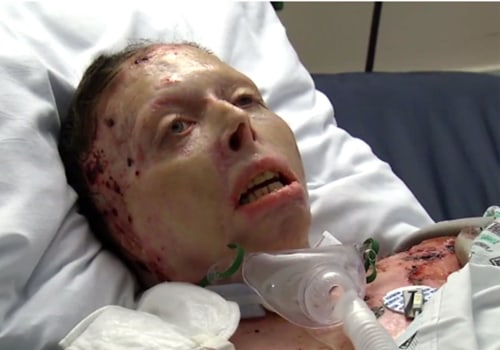
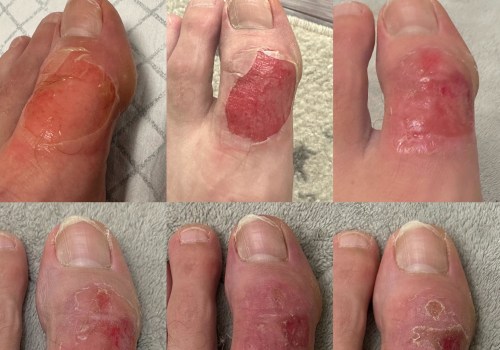
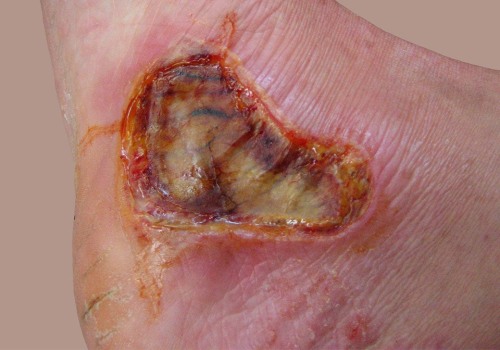
People recovering from different degrees of burns may experience emotional trauma, including PTSD, highlighting the importance of accessible mental health support and flexible treatment options like online therapy, especially when many adults with mental health conditions still go without care.
Final Thoughts and Opinion
If I were searching from Bellevue today, I'd care much less about zip codes and much more about two things. One is a license I can verify in two minutes on the Department of Health site. The other is how my body reacts during a free call. Training matters too, and you should ask about it, but people usually know within a few minutes whether a therapist feels safe to them.
If you're carrying a burn or another serious injury, take the emotional side as seriously as the wound care. The parts of you still on guard have worked hard to keep you safe. They deserve someone patient enough to hear them out, and healthcare professionals can provide that support. That work can happen from your own couch.
Frequently Asked Questions
Q: How do I find an IFS therapist in Bellevue, WA, who offers online sessions?
Start with the IFS Institute's practitioner directory or a therapy directory with an IFS filter, and look for Washington-licensed clinicians who see clients by video. Check each license on the Department of Health's credential search. Then book a free consultation with one or two who seem like a match.
Q: Does IFS therapy work as well over video as in person?
For many people, yes. IFS asks you to notice parts, sensations and reactions inside yourself, and that process doesn't depend on being in the same room. A private space and a steady connection usually give you enough to go just as deep.
Q: Do I need a therapist with an office in Bellevue?
No. For online therapy, what usually matters is that your therapist is licensed in Washington and that you're in Washington during sessions. A therapist based in Seattle or Spokane can work with you just as easily from Bellevue.
Q: Is online IFS therapy covered by insurance in Washington?
Often, yes. Therapists usually bill IFS as individual psychotherapy, so coverage follows your plan's outpatient mental health benefit. Ask each therapist whether they're in-network with your plan. Lauren Rath, for example, is in-network with BCBS, Aetna, Regence, Premera and Cigna. If you're paying out of pocket, request a good faith estimate.
Q: How is IFS different from CBT or EMDR?
CBT mostly works on changing thought patterns, and EMDR focuses on processing specific memories. IFS looks at your relationship with the different parts of you, protectors included, so they can step back when they're ready rather than you overriding them.
Q: What happens in the first IFS session?
Usually an open conversation about what brought you in, without a rigid script. Your therapist may ask what you notice in your body or gently name a part that seems present. You set the depth, and the pace stays slow on purpose.
Q: What should I do if I need support before my first appointment?
For information, referrals and peer support on weekdays, contact the NAMI HelpLine. If you're in crisis or thinking about harming yourself, call or text 988 at any hour, or call 911 in an emergency.
Whenever You're Ready
You don't need the right words before you reach out, and you don't need to have decided anything. Lauren Rath Therapy offers a free 15-minute consultation for adults anywhere in Washington, Bellevue included, and nothing is expected of you afterward. It costs you a quarter of an hour and commits you to nothing.